Batch Cooking Basics
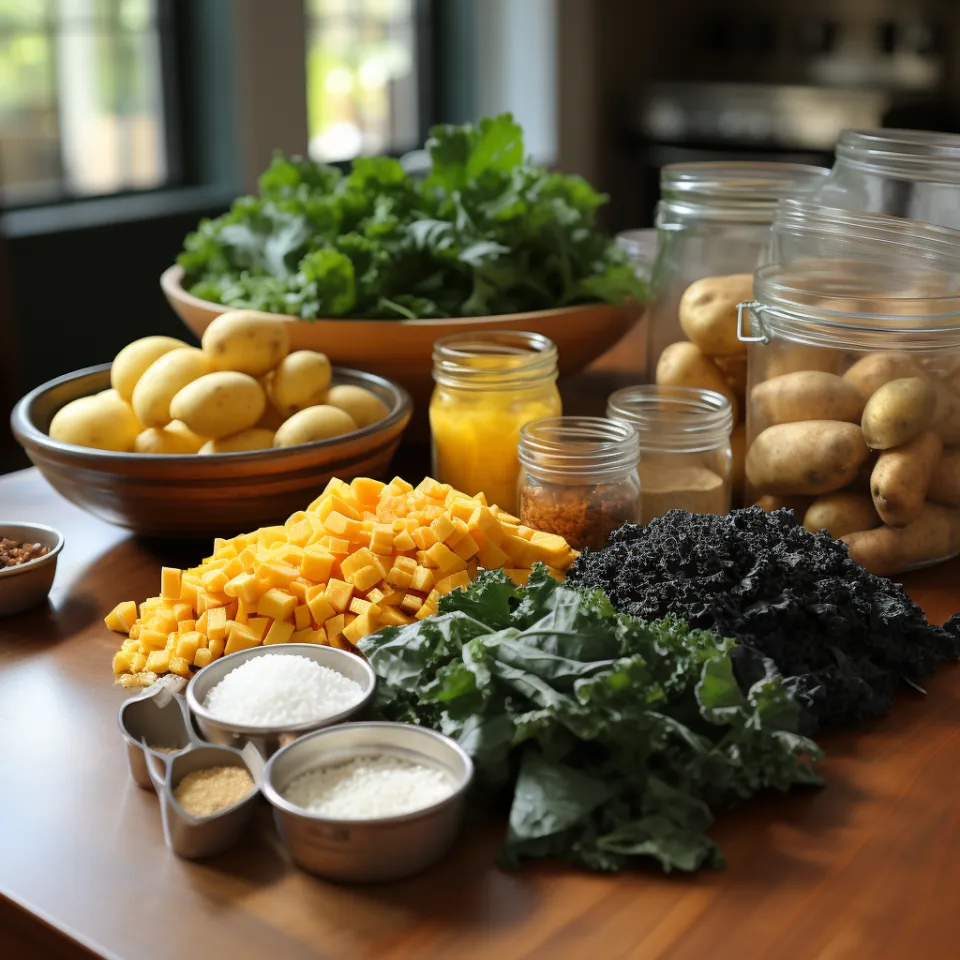
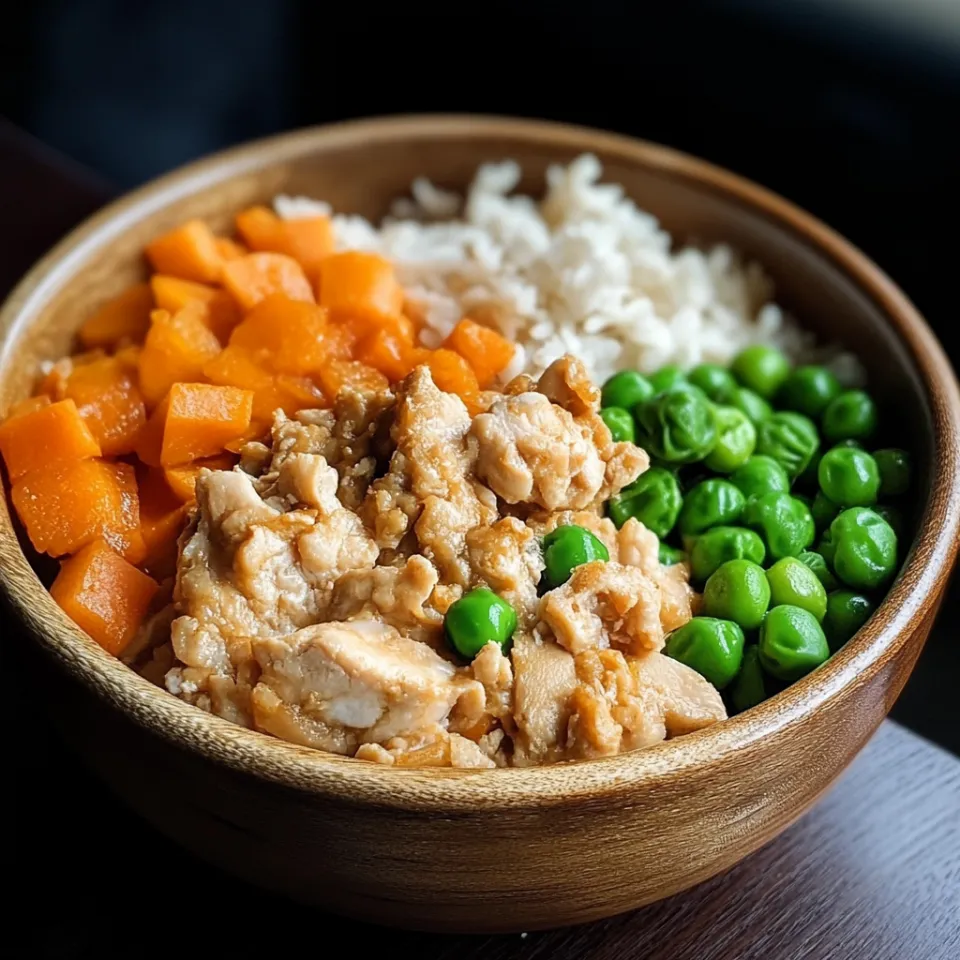
Preparing larger quantities ahead of time makes healthy meals possible even on the busiest days. Compared with meal kits—often single-use—batch cooking lets you tailor flavours and portions, save on packaging, and reduce stress on hectic evenings. Plan ahead with storage options for easy home cooking.
Ingredient Swaps & Substitutes
Finding a recipe with an ingredient you don't have? Swap grains, vegetables, or spices rather than giving up or buying more processed foods. Unlike rigid meal plans, substitution skills support spontaneous, resourceful cooking with what you’ve got on hand.

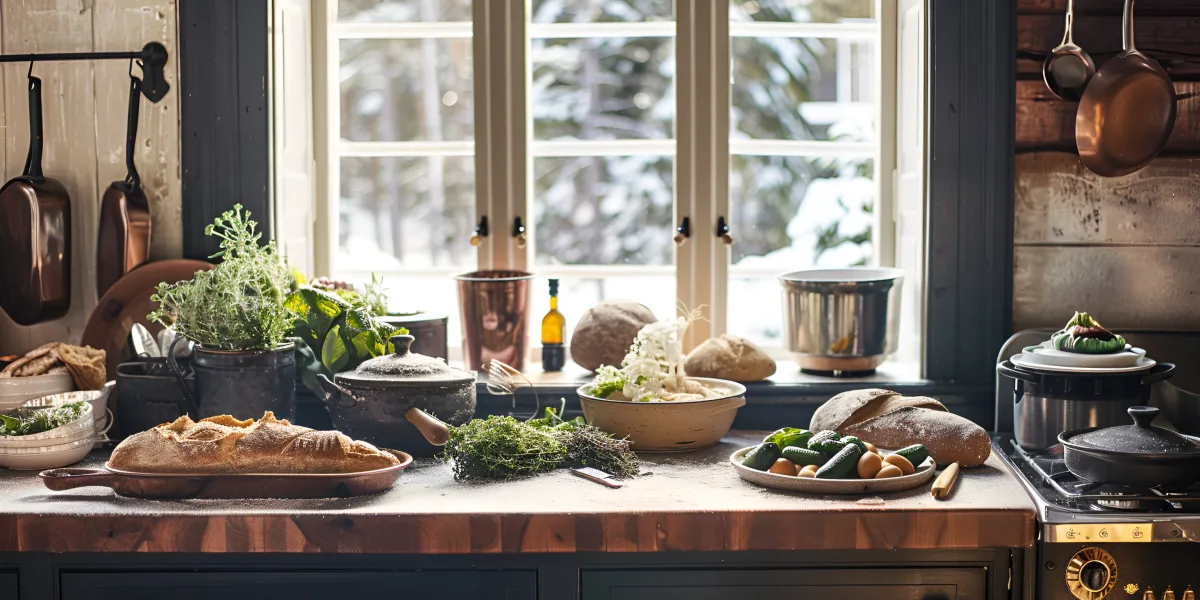
Reducing Food Waste
Learning to use up leftovers or adjust recipes to match what’s in the fridge means less waste and more savings. While takeaway may offer convenience, it doesn’t build the creativity and satisfaction that comes from making meals from what remains.
Understanding Nutrition Labels
Confidently reading and comparing nutrition information puts you in charge of your dietary choices—something many meal delivery services leave obscure. Use facts, not assumptions, to guide food decisions for better long-term habits.
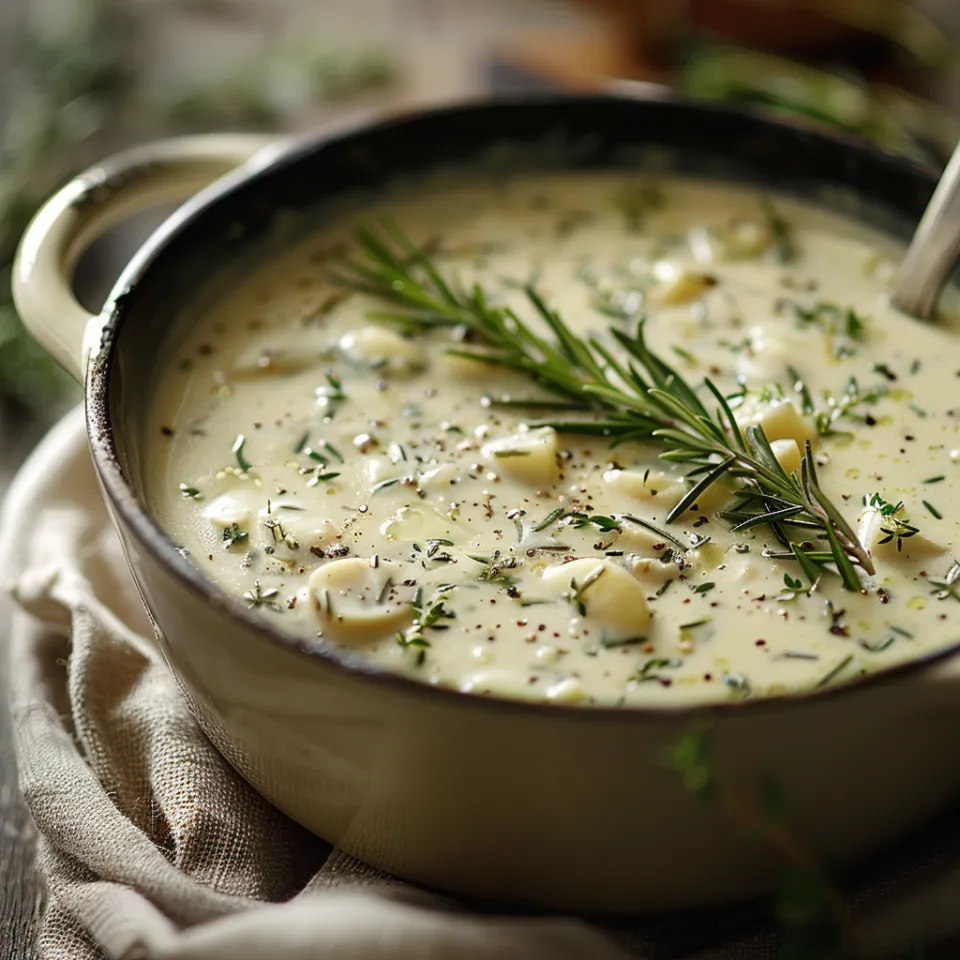
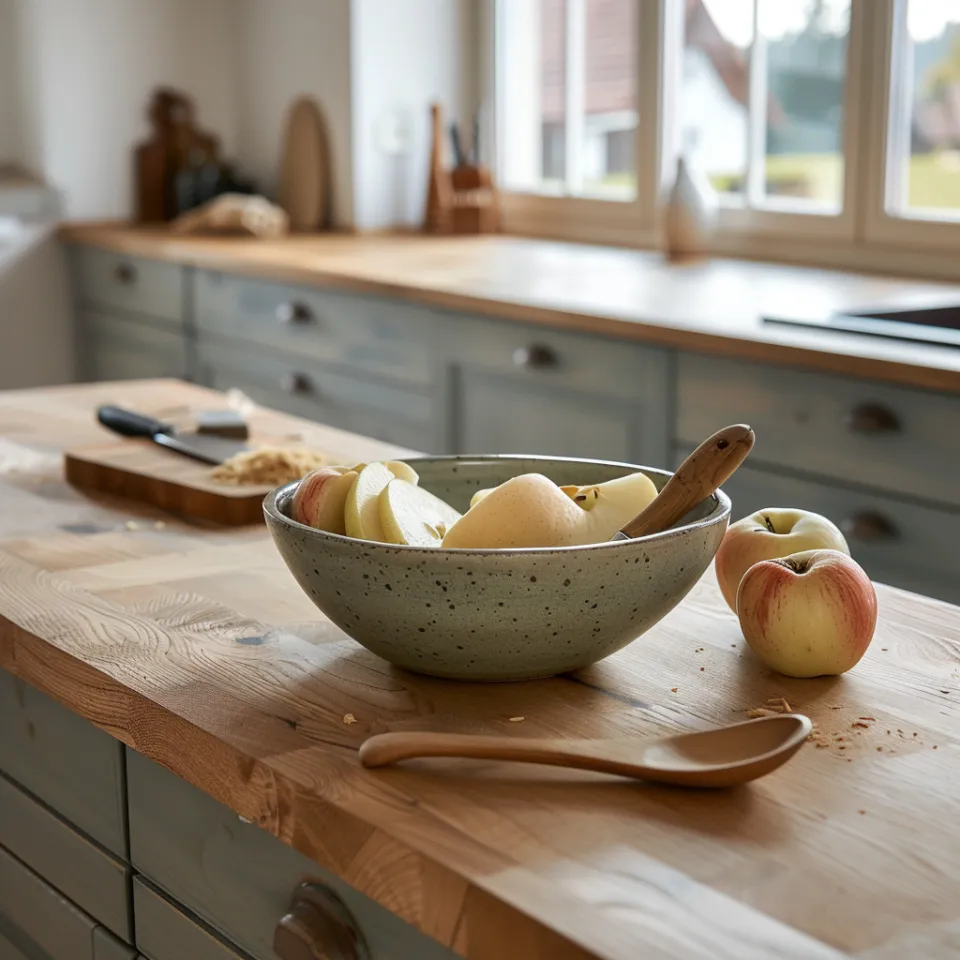
Healthy Cooking In Action

Resource Questions
Quick answers to common topics
How do I start batch cooking at home?
Start by choosing simple recipes, buy in bulk, and use freezer-safe containers to store extra portions for later meals.
Are food swaps safe for allergies?
Not all substitutes are suitable for every allergy. Always read labels and ask a healthcare provider for specific conditions.
How can I avoid wasting produce?
Plan meals around what’s in your fridge, freeze extras, and use leftovers creatively in soups or stir fries.
Where can I find nutrition facts?
Nutrition labels on packaged foods provide most details. For basics, our guides outline UK reference intakes and label reading tips.